White noise vs pink noise vs brown noise
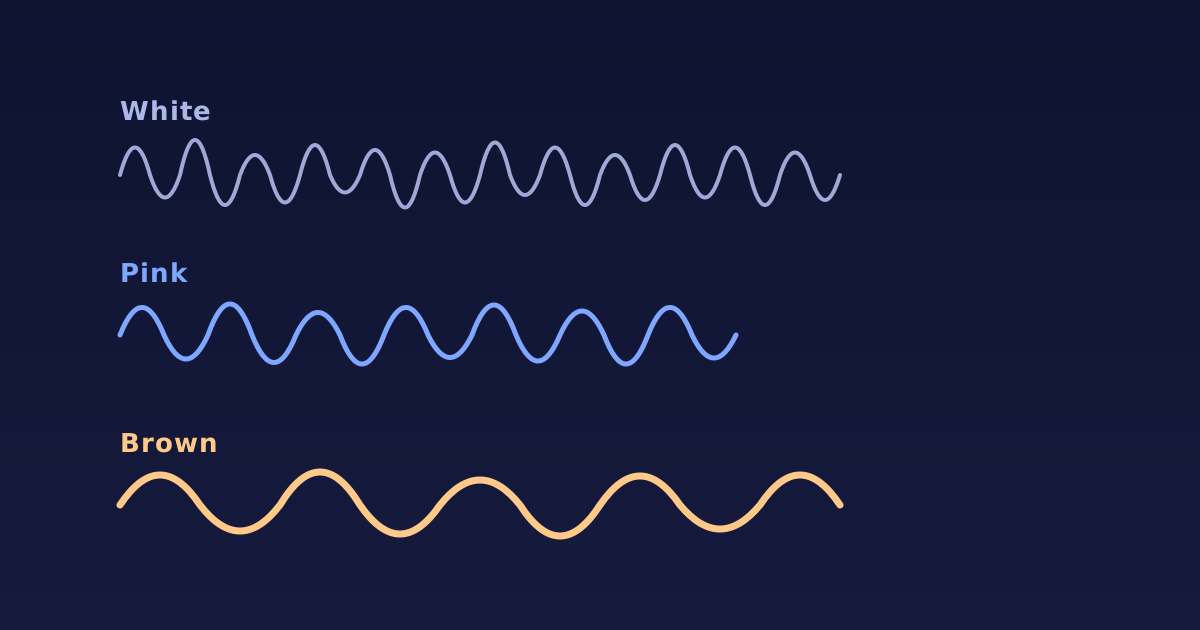
"Colored" noise has quietly become one of the most popular sleep aids on the internet — but white, pink, and brown noise are genuinely different sounds, and the evidence behind them is more modest than the hype suggests. Here's what each one is, and what research actually shows.
What "colored noise" even means
All of these are steady, broadband sounds made of many frequencies at once. The "color" describes how the energy is spread across those frequencies — a loose borrowing from how we label light. The practical upshot is that each color has a different character, from hissy to rumbling.
White noise: the hiss that masks everything
White noise contains roughly equal energy at every frequency, which is why it sounds bright and hissy — think untuned radio static or a fan. Because it's spread evenly, it's good at masking sudden sounds like a door or a car by raising the constant background level so the spikes stand out less.
The Sleep Foundation notes that while many people find white noise helpful, the research is limited and mixed — some studies show faster sleep onset, others find little effect. It's low-risk to try, but it's not a guaranteed fix.
Pink noise: softer, deeper, "natural"
Pink noise puts more energy into the lower frequencies and less into the highs, so it sounds fuller and gentler than white — closer to steady rain or wind through trees. A handful of small studies, summarized by the National Library of Medicine, have explored pink noise and deep sleep or memory, with some promising but preliminary results. It's an interesting area, not settled science — worth trying, not worth overselling.
Brown noise: the low rumble
Brown noise (also called red noise) drops the high frequencies even further, leaving a deep rumble like distant thunder or a waterfall. Many people describe it as the most soothing of the three, and it's had a recent surge in popularity. There's little formal sleep research specific to brown noise, so the case for it rests mostly on personal preference rather than strong evidence.
The best "color" is usually the one you find least distracting — preference beats theory here.
Do they actually help you sleep?
Honestly: it depends, and the evidence is thinner than the marketing implies. Steady sound can help by masking a noisy environment and giving a consistent cue that it's time to wind down. If your room is already quiet, the benefit may be small. The reasonable takeaway is that it's cheap and safe to experiment, but it's a comfort aid, not a treatment.
How loud is safe?
Volume matters more than color. Keep it low — loud enough to blur disturbances, not to dominate the room. This is especially important for babies and children: the CDC notes that prolonged exposure to loud sound can affect hearing, so place machines away from the bed and use modest levels.
We're building a Sleep Sounds player with original ASMR and noise tracks — meanwhile, explore our free tools.
Browse tools →This article is general information, not medical advice — see our Medical Disclaimer.